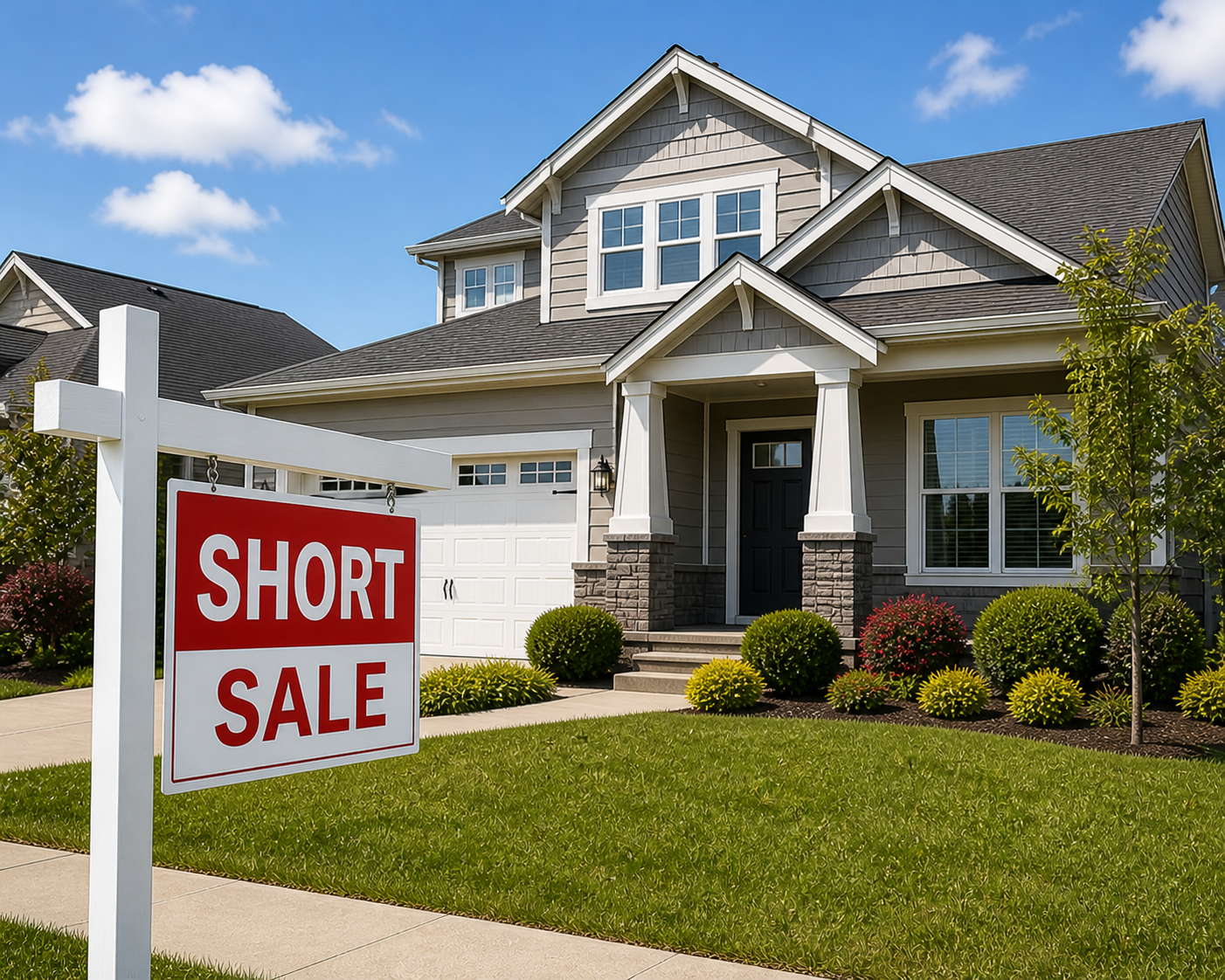
What is a Short Sale?
Elite Realty Group · Buyer Guide
Buying a Short Sale in Real Estate
A refined guide to understanding short sales, how they differ from foreclosures, and what buyers should expect before moving forward.
A short sale happens when a home sells for less than what is owed on the mortgage.
The mortgage lender must approve the short sale before it can move forward.
Short sales can take longer, but may offer value for patient buyers.
What Is a Short Sale?
A short sale happens when a homeowner sells their home for less than the amount owed on the mortgage. The process must be authorized by the lender, and all proceeds from the sale typically go to the lender.
Short Sale Basics
How the Process Works
Home Value Is Lower Than Debt
For example, if a homeowner owes $400,000 but the home is worth $350,000, the sale would be short by $50,000.
The Lender Must Approve
Since the lender is receiving less than the full loan balance, they must review and approve the short sale before closing.
The Seller May Still Owe
Depending on the lender and loan terms, the seller may or may not owe additional repayment after the sale.
Buyers Need Patience
Short sales often require extra time because the lender is heavily involved in the approval process.
Short Sale vs. Foreclosure
Short sales and foreclosures both happen when mortgage trouble exists, but they are very different. A short sale is usually initiated by the homeowner, while foreclosure is when the lender takes possession of the property.
Comparison Dashboard
Key Differences to Know
Short Sale
The homeowner submits financial information to the lender and asks for approval to sell the home for less than the mortgage balance.
Foreclosure
The lender seizes the property after missed payments and later sells it, often after multiple attempts to resolve the mortgage issue.
Credit Impact
A short sale can negatively affect credit, but may not prevent the owner from qualifying for another mortgage as long as a foreclosure might.
Buyer Experience
A short sale often allows inspections and more property review, while foreclosures may involve more uncertainty and limited seller disclosures.
Buyer Strategy
Pros and Cons of Buying a Short Sale
Potential Lower Price
Buyers may be able to purchase a desirable home for less because lenders may be focused on market value rather than profit.
Less Risk Than Foreclosure
Buyers can usually request a home inspection, giving them more insight into the property’s condition.
Less Buyer Competition
Because short sales can take longer, buyers who need to move quickly may avoid them.
Long Timeline
Because the lender is involved, short sales can take several months and sometimes up to a year.
As-Is Condition
The home may require repairs, and the seller may not have funds to complete updates before closing.
Extra Due Diligence
Buyers should review property condition, title issues, liens, structural concerns, and inspection reports carefully.
Buyer Readiness
Where Short Sale Buyers Should Focus
Elite Realty Group
A Short Sale Can Be a Smart Opportunity With the Right Guidance
Elite Realty Group helps buyers evaluate pricing, condition, timelines, lender approval, and negotiation strategy before pursuing a short sale property.